release:
5 best contract database software solutions in 2026

Contract database software helps businesses store, search, and manage contracts in one secure system. Companies use contract database software to replace scattered files, reduce risk, and keep track of key dates like renewals and expirations. In 2026, modern contract database tools combine digital storage, search, automation, and basic intelligence so teams can understand their contracts without digging through folders or spreadsheets.
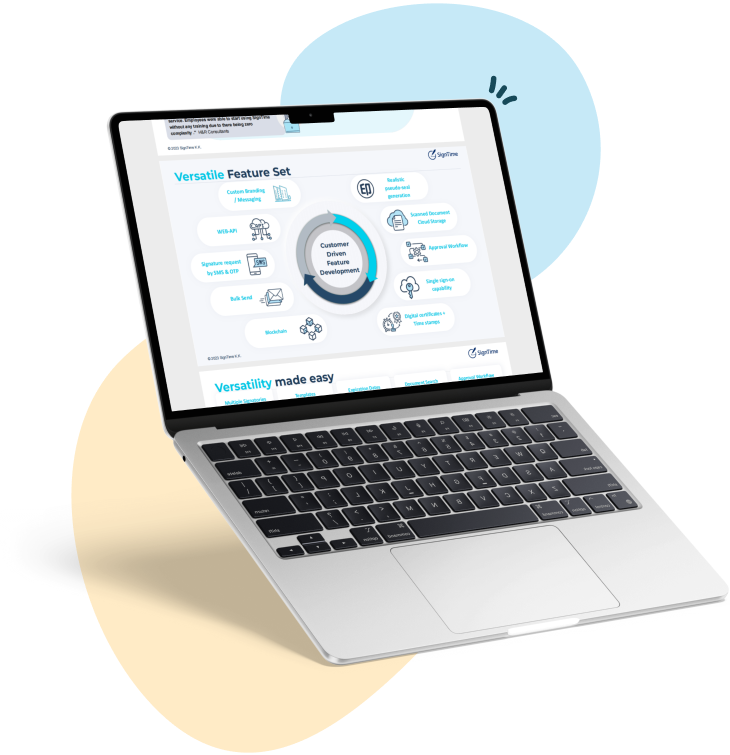
See why businesses are rushing to SignTime’s feature-packed contract repository system.
What is contract database software?
Contract database software is a centralized system that stores contracts and related documents in one searchable location. It helps teams organize contracts with metadata, tags, and folders so files are easier to find and review.
A contract database is not just a digital file cabinet. It adds structure, controls, and visibility so teams can track contract status, key dates, and obligations without manual spreadsheets.
Many contract databases also support basic workflows and reporting, which helps teams standardize how contracts are created, approved, and stored. This makes it easier to manage risk and maintain consistency across the business.
Digital vs paper contract databases
A paper contract database is a physical filing system that stores contracts in folders, binders, or cabinets. It can work for small teams, but it becomes slow and risky as the number of contracts grows.
A digital contract database stores contracts electronically and makes them searchable and accessible from anywhere. It also supports permissions and audit logs so teams can control access and track who views or edits documents.
Digital contract databases also reduce the time needed to find contracts and track key dates. They support remote work, improve collaboration, and make it easier to support audits and compliance checks.
Benefits of going digital for your contract databasing needs
Companies move from paper or scattered digital files to a contract database because it reduces manual work and improves control. Digital systems make contracts easier to find, safer to store, and more visible across teams. They also support better decision making by showing key contract information in one place.
Here are some of the main benefits of a cloud contract database:
- Centralized storage keeps all contracts in one place so teams do not waste time searching multiple folders.
- Better search helps users find contracts quickly using keywords, metadata, or filters.
- Improved security controls access to sensitive contracts and reduces the risk of unauthorized viewing.
- Faster approvals speeds up contract execution by routing documents to the right people automatically.
- Automated reminders prevent missed renewals and expiration dates by sending notifications ahead of time.
- Version control keeps a record of changes so teams can see who edited a contract and when.
- Reduced physical risk prevents loss or damage that can happen with paper storage.
- Easier compliance supports audits and regulatory requirements by keeping logs and records in one system.
- Integration with business systems keeps contract data consistent across tools like CRM and procurement systems.
- More visibility gives leaders a clear view of contract status, obligations, and risk exposure.
- Better collaboration allows teams to work on contracts together without sending files back and forth.
- Scalable storage grows with the business without needing more physical space or filing infrastructure.
5 best contract database software packages
The market includes many contract database software options, and each has a different balance of storage, workflow, contract management, and intelligence. This section highlights five strong options that cover a range of needs, from simple storage to full lifecycle management.
The list includes solutions that provide searchable contract repositories, permission controls, reminders, and integrations. It also includes tools that add document creation, signing, or more advanced automation.
Here are the five best cloud contract databases:
- SignTime
- GMOSign
- CloudSign
- PandaDoc
- DocuSign
SignTime
SignTime is a contract database solution built for teams that need both storage and intelligence. It provides a central repository for contracts and supports multiple signature methods, including hand drawn, typed, hanko, and in person signing.
SignTime’s AI features extract metadata like counterparty names, amounts, start dates, end dates, and renewal clauses. It also generates reminders and highlights upcoming renewals so teams can take action before deadlines arrive.
SignTime integrates with Salesforce and provides a full contract management workflow. This makes it suitable for teams that want a clean database plus basic lifecycle support without adding unnecessary complexity.
GMOSign
GMOSign offers a contract database solution that is designed for organizations with a strong need for secure digital signing and contract storage. It supports standard contract workflows and basic management features.
GMOSign is often used by teams that want a straightforward system for signing and storing contracts without heavy customization.
CloudSign
CloudSign is a digital contract tool that focuses on electronic signing and centralized storage. It supports common contract workflows and provides basic search and tracking.
CloudSign is often chosen by companies that need a reliable signing solution with simple contract repository capabilities.
PandaDoc
PandaDoc combines contract storage with document creation and signing workflows. It is often used by sales teams that need templates, e signing, and tracking in one system.
PandaDoc provides a clean interface and strong workflow tools, but it may be more focused on document creation than contract database depth.
DocuSign
DocuSign is a widely used electronic signature platform that also offers contract storage and basic management features. It supports large volumes of signing and has strong integration capabilities.
DocuSign is often selected for its broad market presence and reliability, but some teams may need additional contract lifecycle features beyond basic storage.
Why SignTime is the best contract database software
SignTime combines a clean contract repository with AI driven intelligence and flexible signing options. It stores contracts securely while also helping teams stay on top of key dates and obligations.
SignTime’s AI metadata extraction and reminders reduce manual tracking and improve visibility across the contract lifecycle. Its Salesforce integration and full repository workflow make it a strong option for teams that want both storage and action.
SignTime is designed to be flexible and accessible for global teams, while still supporting unique needs like hanko and in person signing when required.
Download our brochure to see whether SignTime might be a fit for your organization.