release:
What does it mean to “redline a contract”?

A redline contract shows proposed changes to an agreement so both parties can review, discuss, and negotiate terms with clarity. When teams redline a contract, they track additions, deletions, and revisions in a visible way, which helps prevent confusion, speeds up negotiation, and creates a clear record of how the final terms take shape.
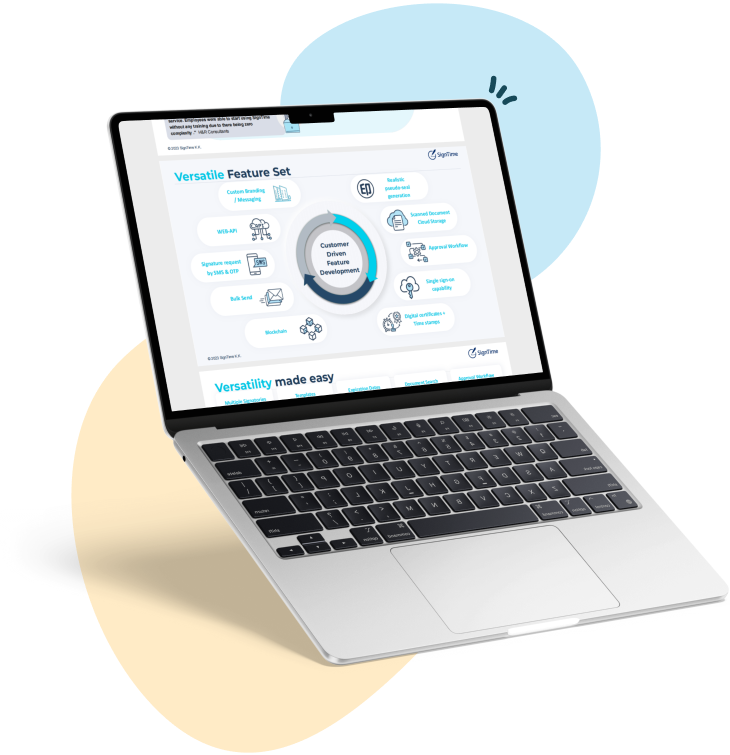
See why businesses are rushing to SignTime’s feature-packed contract repository system.
What is a contract?
A contract is a written agreement that sets expectations for how two or more parties will work together. It defines responsibilities, deadlines, payment, and the consequences if something goes wrong. Contracts help reduce misunderstandings and protect both sides in a business relationship.
Core elements of a contract
A contract usually includes a few essential components that make it enforceable and clear.
- Offer is a clear statement of what one party is proposing in the agreement.
- Acceptance is confirmation that the other party agrees to the terms as written.
- Consideration is something of value exchanged between the parties.
- Intent is evidence that both parties intend the agreement to be legally binding.
- Defined terms are specific words or phrases that reduce ambiguity in interpretation.
What does it mean to redline a contract?
Redlining is the process of marking up a contract to show changes, usually during negotiation. It highlights what is added, removed, or revised so both parties can see exactly what has changed. Redlining is a standard way to manage back-and-forth edits without losing track of the original meaning.
How redlining works in practice
Redlining typically starts when one party sends a contract draft to the other. The receiving party reviews the terms and marks changes using a document editor or contract platform. Each proposed change is then reviewed, discussed, and either accepted or rejected.
Redlining vs simple editing
Redlining is different from basic editing because it focuses on negotiating terms rather than just improving clarity. Simple editing improves grammar, spelling, or format. Redlining changes the contract’s meaning or obligations, so it requires agreement from both sides.
What are some reasons that redlining occurs?
Redlining happens when parties need to change contract terms to match their needs. It often occurs during initial negotiations, renewals, or when business conditions shift.
- Risk allocation occurs when parties adjust clauses to better manage legal, financial, or operational exposure.
- Scope clarification happens when language is revised to clearly define responsibilities and deliverables.
- Compliance requirements trigger redlines when terms must be updated to meet regulatory or internal policy standards.
- Commercial alignment leads to redlines when payment terms, timelines, or renewal conditions need adjustment.
- Standardization conflicts cause redlines when one party’s template conflicts with the other party’s preferred contract language.
5 redlining examples
Redlining often focuses on common contract areas that repeatedly cause disagreement. These examples show how typical changes are made during negotiation.
- Payment terms adjustments are when one party revises timelines or methods of payment to improve cash flow or reduce exposure. This often involves modifying due dates, late fees, or invoicing requirements to better match internal finance processes.
- Termination clause changes are when a clause is redlined to allow earlier or more flexible termination. These changes usually aim to reduce long-term risk if business needs change.
- Liability limitation edits are when caps on damages are revised to reduce potential financial exposure. This is common in service agreements where risk tolerance differs between parties.
- Confidentiality language revisions are when definitions or durations are adjusted to better protect sensitive information. Redlining here helps ensure confidentiality obligations match the actual data being shared.
- Auto-renewal modifications are when renewal terms are revised to require notice or approval. This helps prevent unwanted contract extensions and supports better contract oversight.
Use SignTime to draft and refine your contracts
Redlining helps teams negotiate contracts clearly by making changes visible and easy to review. It reduces misunderstandings and speeds up agreement between parties.
At the same time, managing contracts after signing is just as important. Without a structured system, documents can become difficult to track, update, and manage over time.
SignTime helps streamline this post-signing process by providing a centralized place to store, search, and manage contracts efficiently.
Download our brochure to see whether SignTime might be a fit for your organization.